
What does UNESCO Biosphere Status for Raja Ampat Mean?
At the end of September 2025 Raja Ampat became one of the newly designated UNESCO Biospheres, adding to its Global Geopark status from 2023. There are Biospheres all over the world where not only nature is protected, but also the local communities are assisted in sustainable development. With 817,241 hectares of protected land as well as 12,565,197 hectares of marine area, this is a huge deal for Raja Ampat’s future.
What is a UNESCO Biosphere?
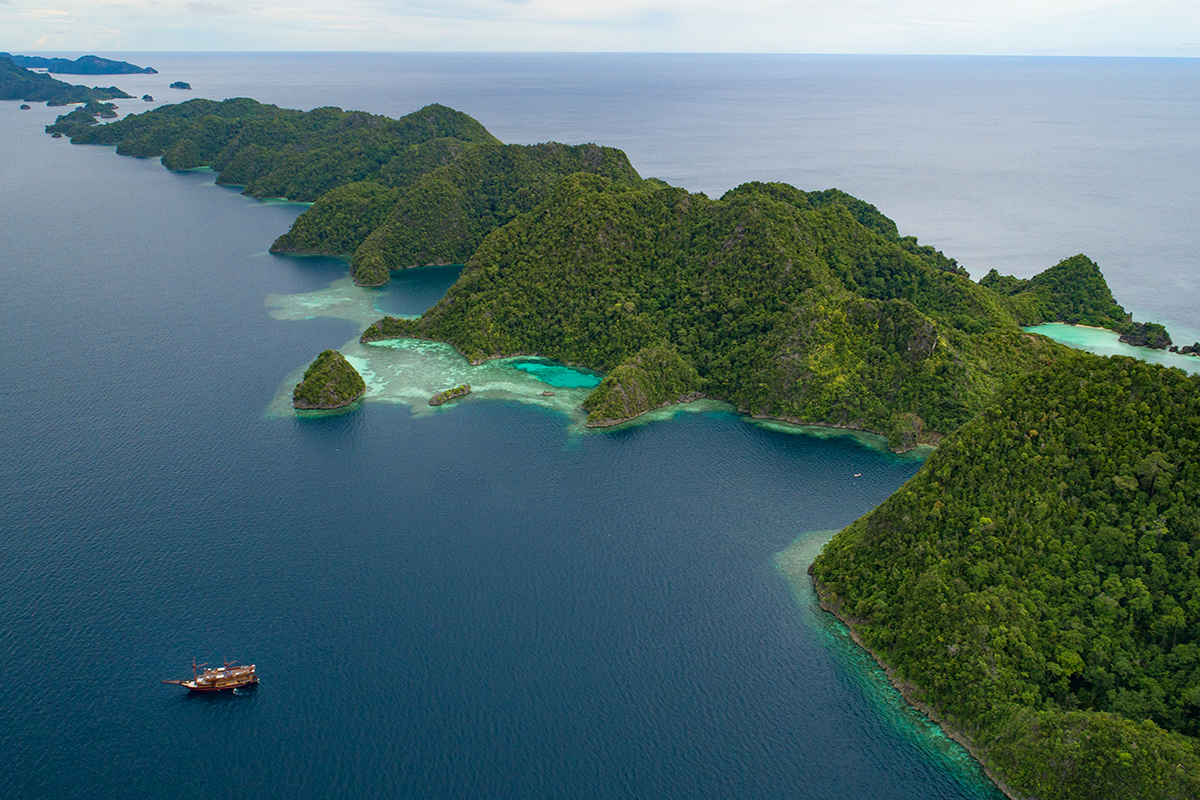
According to UNESCO biospheres act as “living laboratories” where communities, scientists, and governments collaborate on three pillars; conserving biodiversity and landscapes, promoting sustainable socio-economic development, and enhancing understanding through research, education, training, and knowledge sharing.
Conservation in Raja Ampat

When it comes to conservation in Raja Ampat, there are plenty of challenges. Preventing damage to coral reefs from harmful fishing methods, pollution, and over tourism are some of the main issues. Nickel mining and unsustainable building practices have also become problematic over the past few years. To control these issues is difficult over such a huge area, but the government and local communities are working together to patrol and monitor problem areas.
The UNESCO Biosphere designation of Raja Ampat reinforces conservation efforts by running programs dedicated to empowering local communities to manage their own resources. Local people work to educate tourists, spread information throughout native communities, manage conservation areas, and enforce the rules of the reserve. This is what Biospheres are all about, social uplift working hand in hand with environmental welfare.
Sustainable Tourism

If you are a diver, Raja Ampat is surely on your bucket list because of its incredible biodiversity. However, with social media and easier travel within Indonesia, Raja Ampat has become more accessible to tourists. This is a positive thing for the local communities, but needs to be very carefully managed.
Empowering local communities is one of the main aims of Biospheres; from tour guides and hotel staff, to scuba instructors, it is the local people that need to be in control of tourist behavior and etiquette. Responsible tourism is the key to local people benefitting from the influx of visitors without harming the environment that is the draw for the tourists. Keeping the cycle sustainable is the aim.
While you are in Raja Ampat as a tourist, it is imperative that you travel responsibly. Always follow the rules your guides lay out for you, especially while hiking or diving. You can also support locals by buying crafts and food from local communities. Participate in conservation or educational activities while you are in Raja Ampat if possible. All of these things will encourage sustainable, eco-friendly practices.
Humans and Environment Co-existing
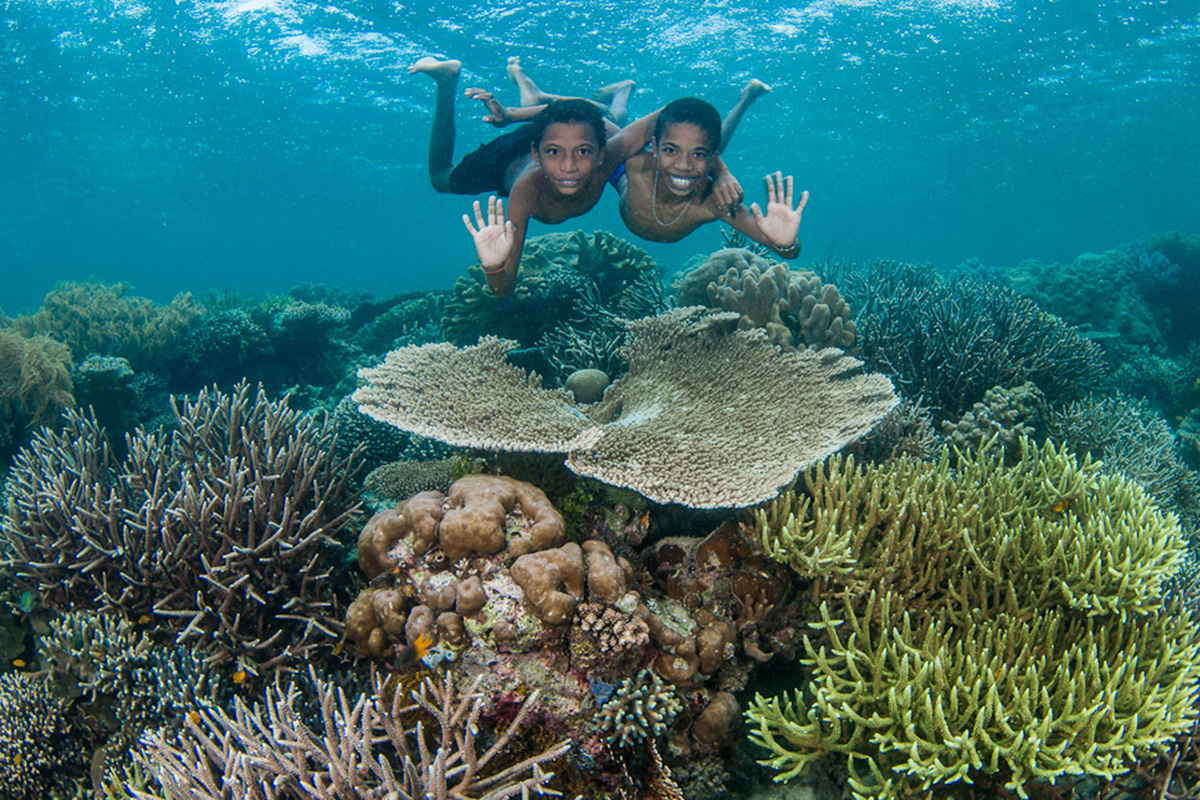
It may seem difficult, but humans can live and travel in a spectacular environment like Raja Ampat without harming it. It takes education and careful management, but can be done. UNESCO’s designation of Raja Ampat as a Biosphere reserve highlights how important the region is and how we all need to work together to ensure its health for future generations of both humans and animals.
If you are interested you can learn more about UNESCO Biospheres by clicking the link.
