
The Role of Local Communities in Sustainable Travel in Raja Ampat
Raja Ampat is one of the most biodiverse marine regions on the planet, and one that many people want to visit. However, the balance of tourism and sustainability can be a difficult one to manage. As tourism grows, the long-term preservation of Raja Ampat depends heavily on the people of the archipelago who have called these islands home for generations. Local communities must play a central role in ensuring that Raja Ampat remains healthy both above and below the waterline. Their knowledge, stewardship, and participation are essential to the region’s sustainable travel model.
Guardians of Land and Sea
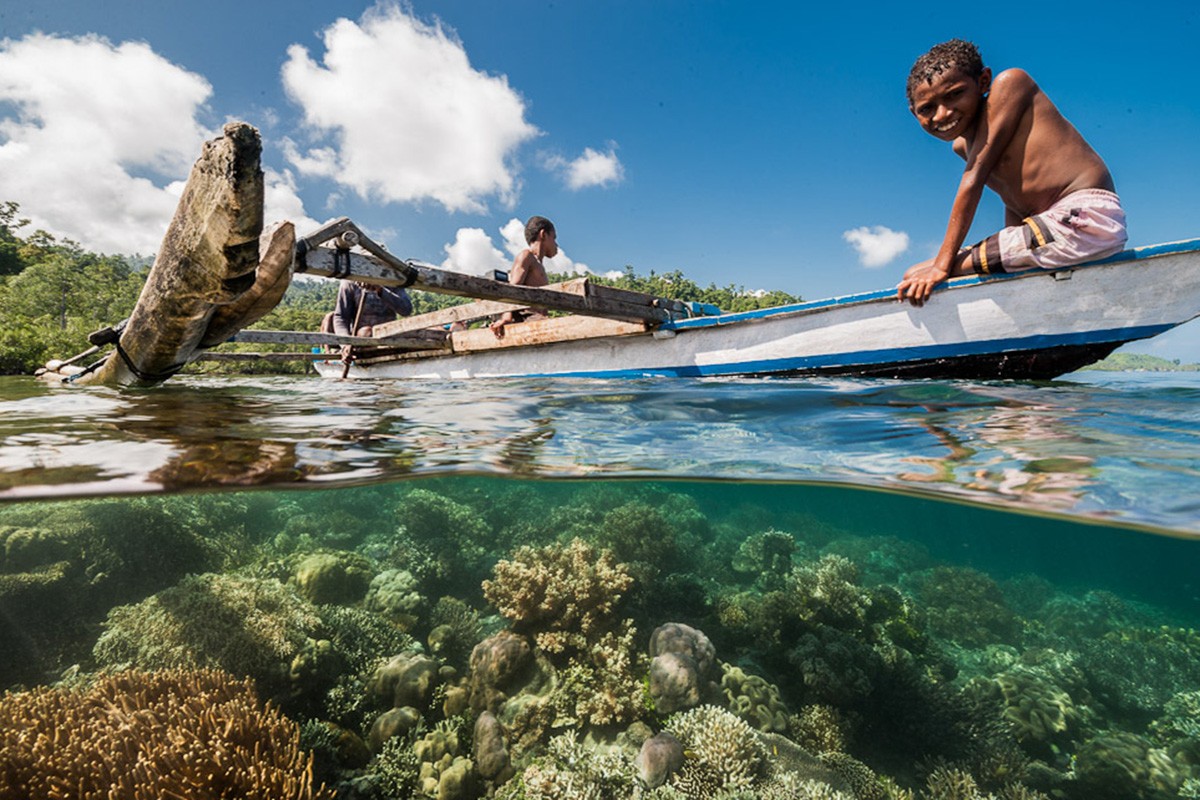
For centuries, before there was any tourism in Indonesia, indigenous Papuan communities managed natural resources through customary laws known as sasi. Their knowledge of their ecosystem ensured reef regeneration and maintained fish populations by restricting fishing or harvesting at certain times of the year.
It is important that responsible tourism operators and accommodations respect and collaborate with these traditions. This assists with conservation efforts and reinforces the cultural integrity of the local people.
Community-Based Marine Protected Areas (MPAs)
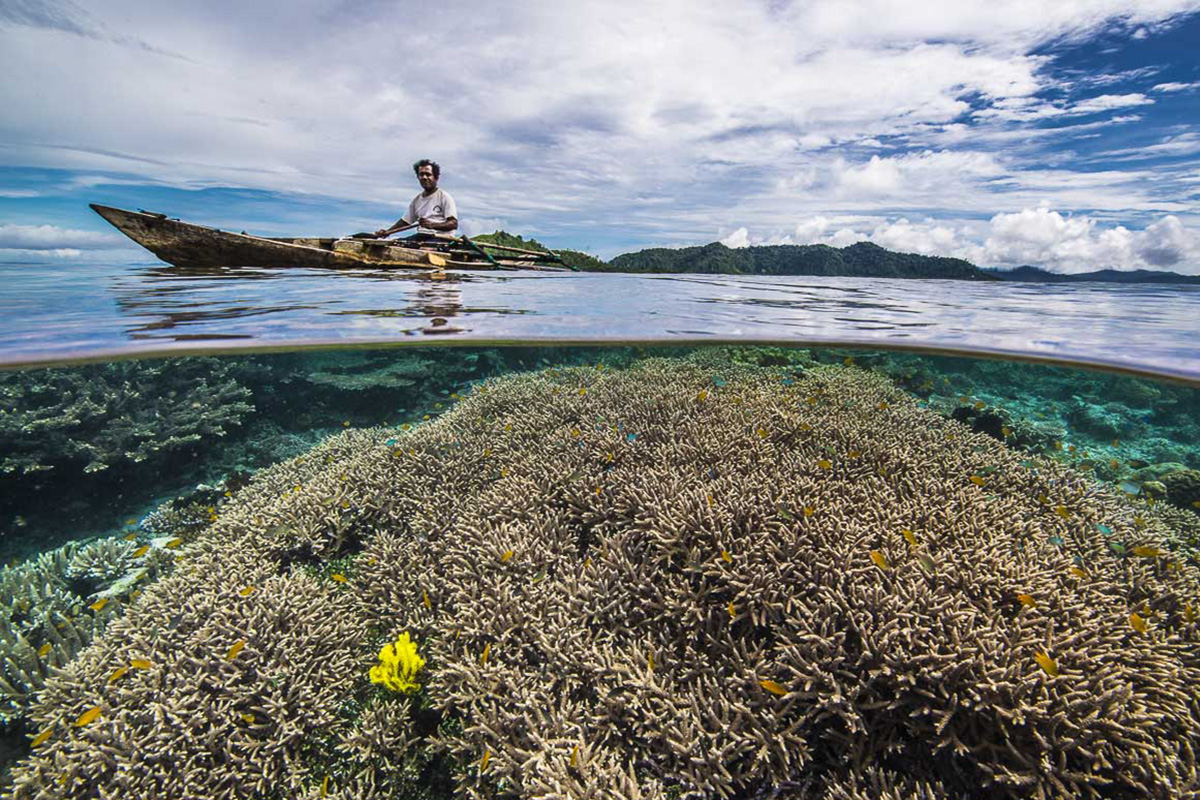
Raja Ampat’s MPAs are among the most successful in Indonesia, largely due to the local communities that co-manage them. NGOs and research teams may have more sway when it comes to the creation of the MPAs but community members are instrumental in their day-to-day operation.
Community members patrol no-take zones, monitor coral health and fish populations, prevent people using illegal fishing methods, and help to collect ecological data. By doing this they also secure employment and educate other members of the community in the value of protecting their environment.
Sustainable Tourism Employment & Economic Growth
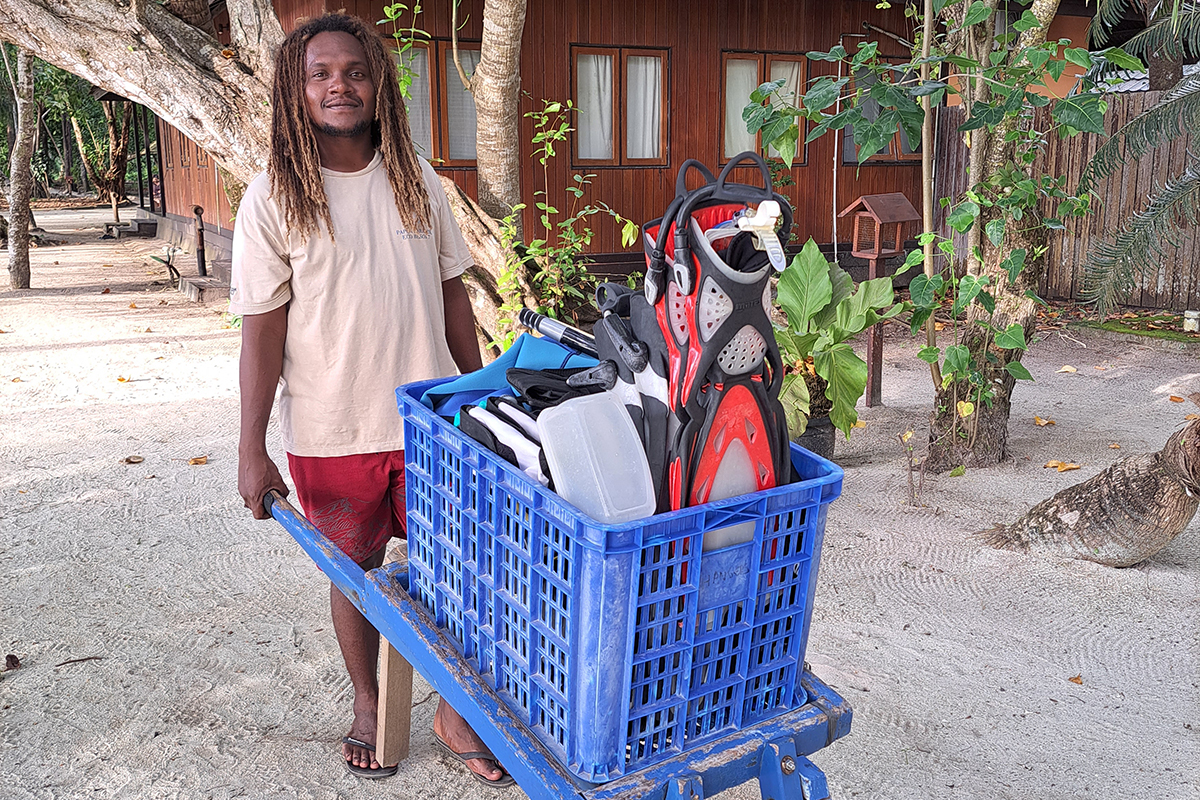
The value of sustainable tourism in Raja Ampat cannot be stressed enough. Community members work in many different roles such as, dive guides and boat crew, resort staff, trekking guides, handicraft makers and suppliers, cultural performers, and eco-tourism entrepreneurs. Their work directly benefits villages and families.
When people are in fair, long-term employment within sustainable tourism, the reliance on activities such as overfishing, damaging fishing, logging or mining is reduced.
Environmental Education & Youth Engagement
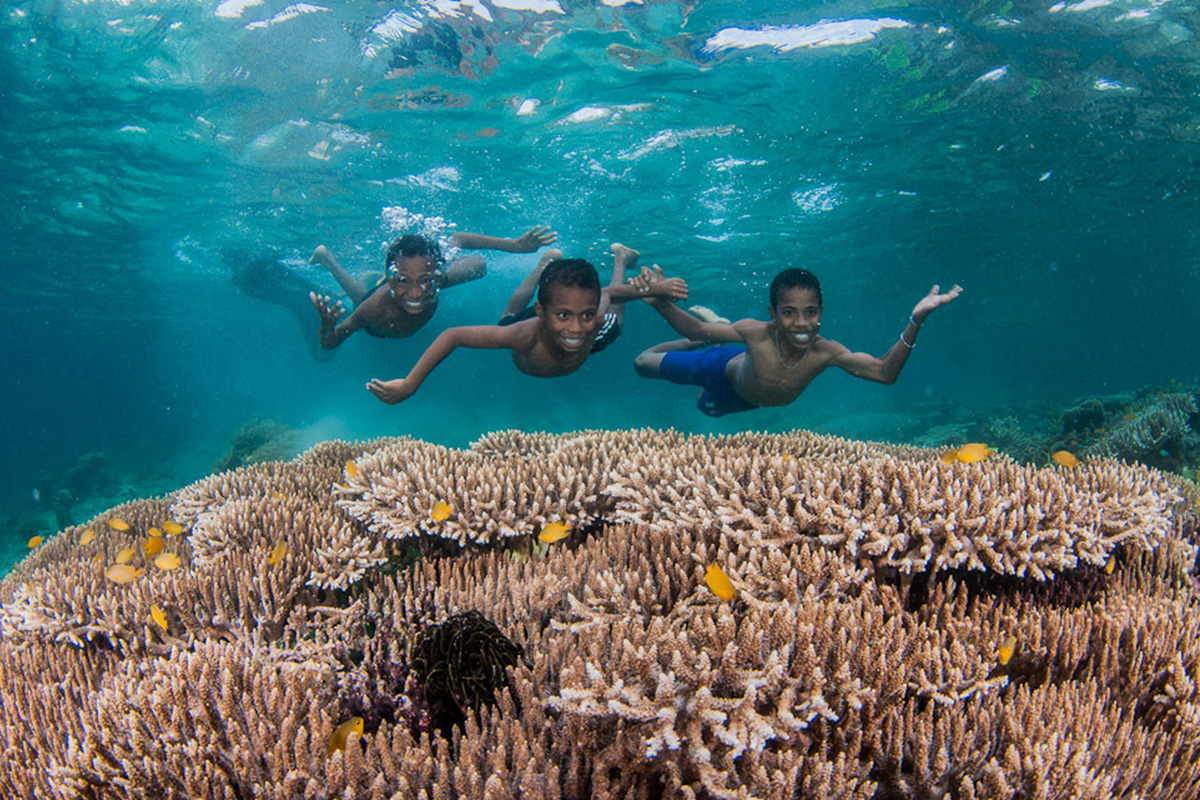
In Raja Ampat there has been a push towards local schools and youth groups participating in conservation programs like coral planting and reef restoration, beach cleanups, turtle monitoring, and plastic reduction campaigns. This is fuelled by research that shows it is essential that younger generations are empowered to build a long-term foundation for environmental conservation.
One NGO has even gone as far as to open a school focusing on the environment and the preservation of the archipelago. Children from grades 7-12 at Child Aid Papua High School learn about the environment that surrounds them and the issues it is facing.
Cultural Preservation
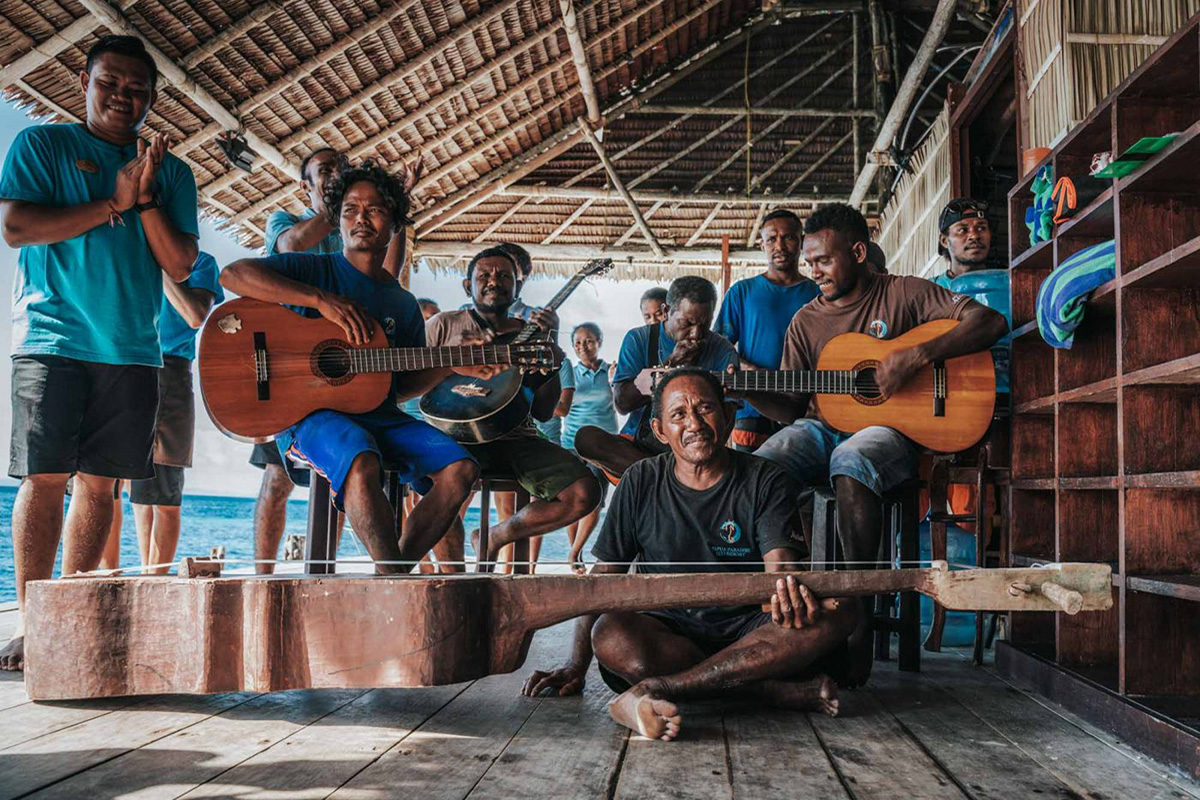
When we think of sustainable travel, we generally think about environmental issues. However, cutural conservation is equally as important. Travelers who respect and contribute to preserving Papuan culture help with the continuation of ancestral practices, maintaining traditional craftsmanship, protecting sacred sites, and increasing cultural pride in local people.
Tour operators, hotels, and liveaboards that promote respectful interaction with local culture help to ensure culture remains a living, thriving part of Raja Ampat’s identity.
As individuals traveling in Raja Ampat, always try to purchase local handmade crafts, choose eco-certified accommodation like Papua Paradise Eco Resort, hire local guides, and respect cultural customs and village areas. When you travel responsibly, you directly support conservation and community wellbeing.
How Raja Ampat Progresses Sustainably
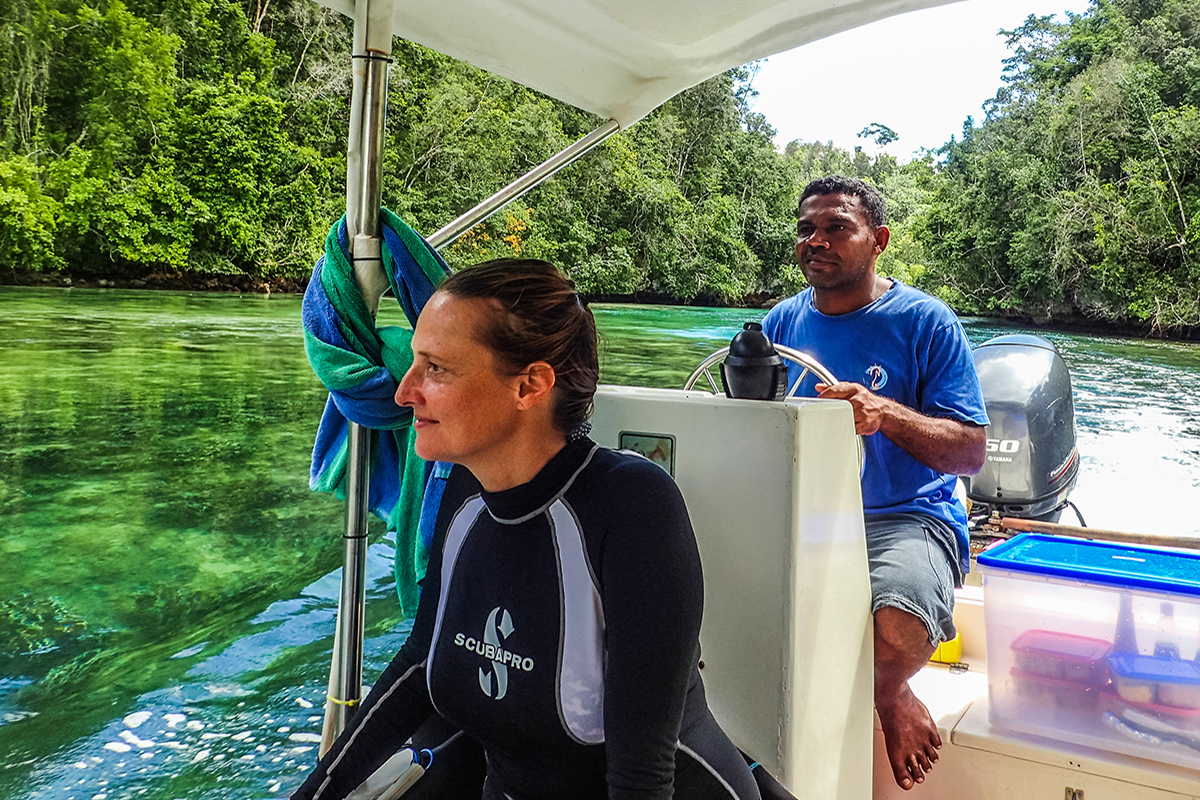
The success of sustainable travel in Raja Ampat is deeply rooted in local stewardship. This community involvement is creating a model where tourism and conservation can coexist. By being aware of this and contributing as a business, Papua Paradise is doing our bit to protect Raja Ampat for future generations; of local people as well as tourists. Sustainable tourism here isn’t just a concept; it must be a way of life led by the people who have lived in harmony with nature on these islands for generations.
